77 Years of
Choral Excellence
From a standing-room-only debut to world premieres with the Boston Symphony—discover the story of Boston’s pioneering chorus.
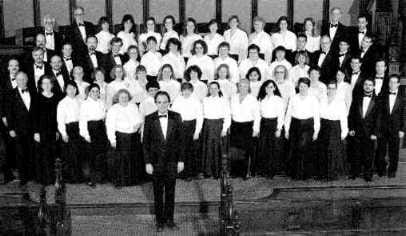
When Bud Patterson founded Chorus pro Musica in 1949, his policy was clear: to do unusual things in order to attract those musicians who were challenged by and capable of taking on new things. That spirit of innovation has guided us through seven decades of world premieres, historic collaborations, and over 1,000 singers who have called CpM home.
“I don’t say that we started a renaissance of choral music, but the time was ripe, and we happened to hit the right kind of policy.”
— Bud Patterson, Founder
The Choir’s Opening Movement
Alfred Nash ‘Bud’ Patterson founded Chorus pro Musica in 1949, inspired by Robert Shaw’s Collegiate Chorale in New York, where Shaw had been one of Bud’s teachers at Tanglewood. At the time, Boston’s choral scene was sparse—only Handel & Haydn Society and Boston Cecilia existed. On March 21, 1949, at Trinity Church, CpM delivered the New England Premiere of Mozart’s Mass in C minor. The response was overwhelming: 2,200 people packed a space meant for 1,400, instantly establishing CpM as a major choral presence in Boston.
A Star Is Born
The New England Premiere of Mozart’s Mass in C minor drew 2,200 people to Trinity Church—800 more than capacity. The ‘Polyphonic Choir’ officially became Chorus pro Musica.
Becoming a Premier Choral Force
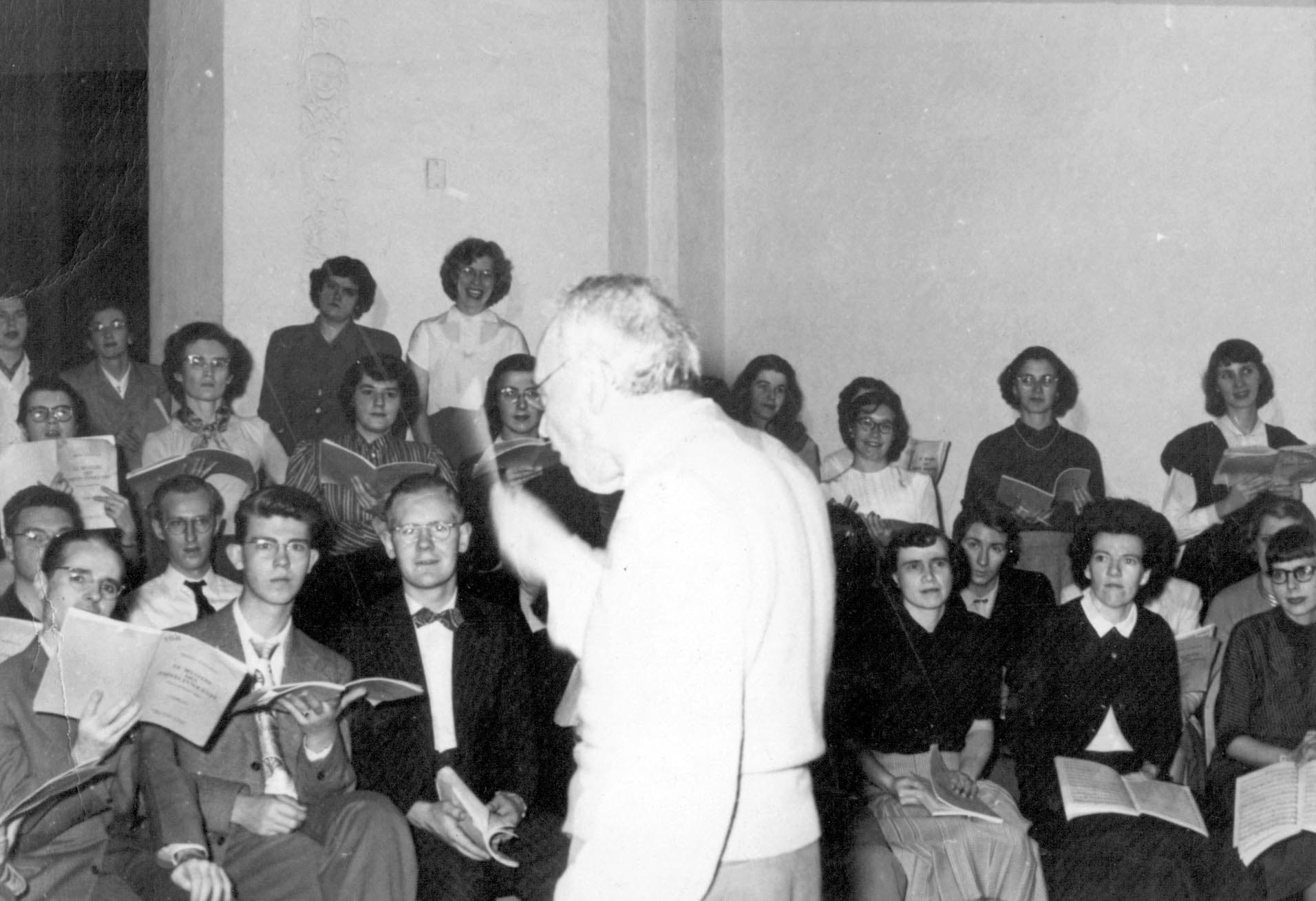
The 1950s cemented CpM’s reputation as Boston’s finest chorus. In 1950, legendary BSO Music Director Serge Koussevitzky came out of retirement to conduct CpM in Henri Barraud’s Le Massacre des Saints Innocents—their first BSO collaboration. Koussevitzky declared CpM ‘the best chorus I’ve ever heard.’ Premieres followed rapidly: the 1952 American premiere of Maurice Durufle’s Requiem, and in 1953, Leonard Bernstein himself conducted CpM in a recording of Copland’s In the Beginning. In 1959, Robert Shaw led the chorus in their Carnegie Hall debut with the BSO.
Koussevitzky’s Praise
BSO Music Director Serge Koussevitzky came out of retirement to conduct CpM, declaring them ‘the best chorus I’ve ever heard.
Durufle Requiem
CpM delivered the American premiere of Maurice Durufle’s magnificent Requiem.
Carnegie Hall Debut
Robert Shaw conducted CpM with the Boston Symphony Orchestra at Carnegie Hall, cementing their national reputation.
World Premieres & Recordings
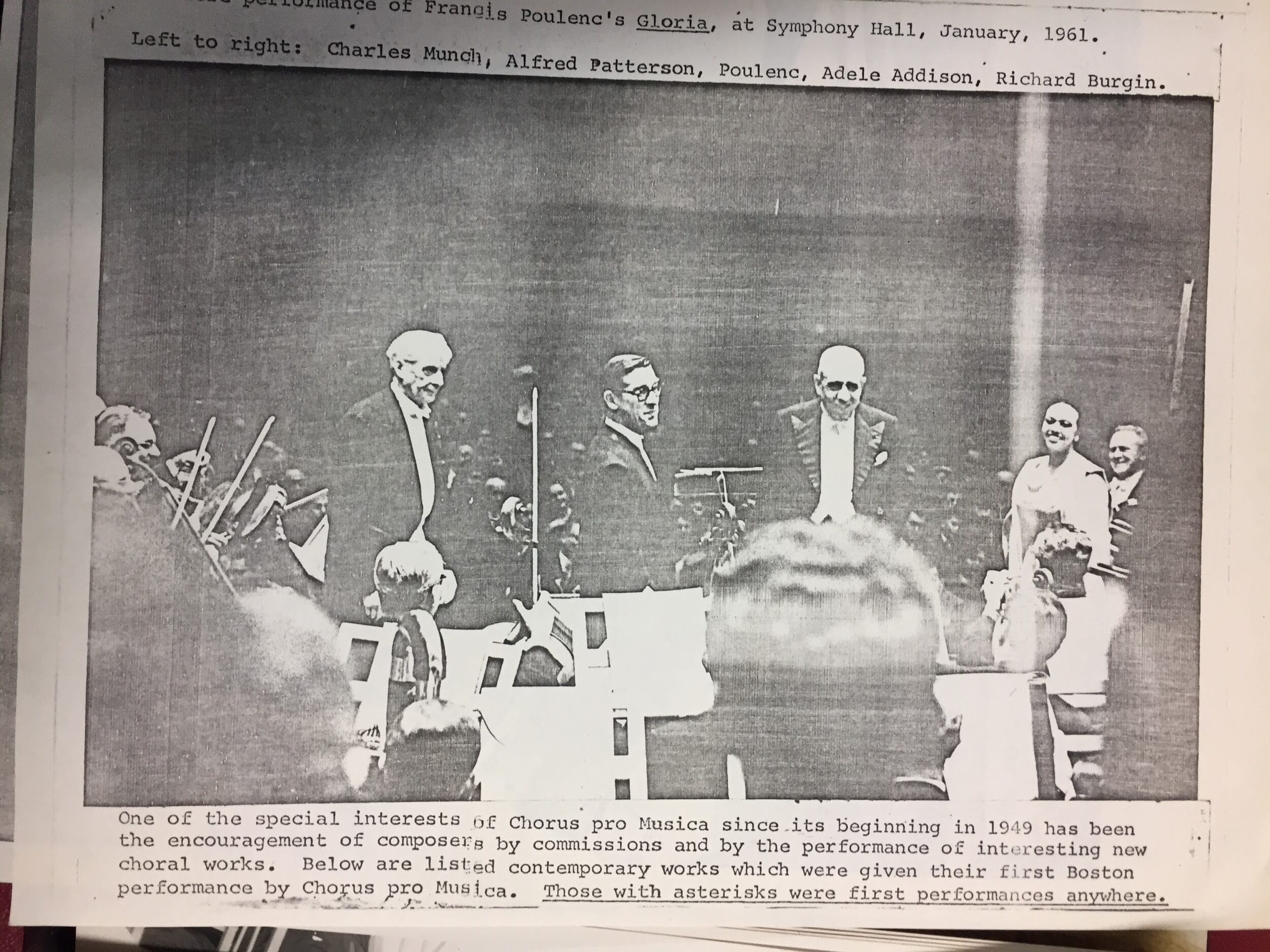
The 1960s brought world premieres and Grammy-nominated recordings. In January 1961, CpM gave the World Premiere of Francis Poulenc’s Gloria with the BSO under Charles Munch—Poulenc himself attended. In 1962, CpM officially moved rehearsals to Old South Church in Copley Square, beginning a partnership that continues today. Under BSO Director Erich Leinsdorf, CpM made four recordings for RCA, two receiving Grammy nominations. The 1963 American Premiere of Britten’s War Requiem at Tanglewood was recorded by WGBH and is now available on DVD. In 1964, CpM performed Mozart’s Requiem at the JFK Memorial Mass. The 1965 Lohengrin recording—the first Wagner opera recorded in the U.S.—featured 180 CpM voices.
Poulenc’s Gloria
CpM gave the World Premiere of Francis Poulenc’s Gloria with the BSO. The composer attended and worked directly with the chorus.
Old South Church
CpM moved rehearsals to Old South Church in Copley Square, beginning a partnership now spanning over 60 years.
Britten’s War Requiem
The American Premiere at Tanglewood with BSO/Leinsdorf was recorded by WGBH and remains available on DVD.
JFK Memorial
CpM performed Mozart’s Requiem at the Solemn Pontifical Requiem Mass for President Kennedy at the Cathedral of the Holy Cross.
The Passing of the Baton
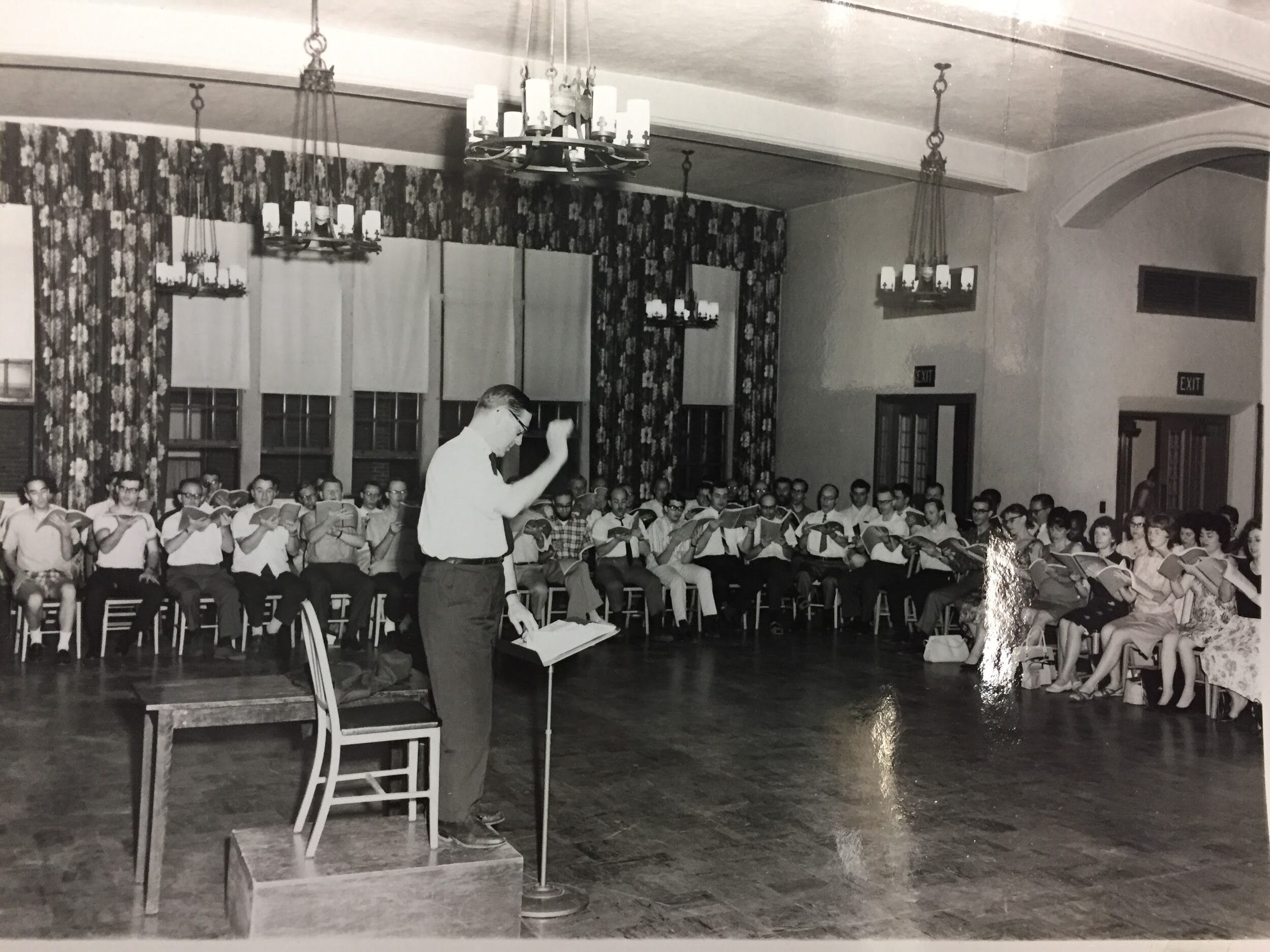
CpM served as the BSO’s chorus of choice until 1970, when the Tanglewood Festival Chorus was formed. Undeterred, CpM charted its own course—introducing Boston audiences to Renaissance masters like Monteverdi, Vivaldi, and Gabrieli, whose music had remarkably never been performed in the city. The decade also brought premieres of works by local composers Daniel Pinkham and John Harbison. In 1969, CpM performed at Old South Church’s 300th Anniversary celebration, featuring the new antiphonal organ that Bud Patterson—who also served as OSC’s organist—had commissioned. The 1978-79 season marked Bud Patterson’s 30th and final season before his death at age 65, closing an extraordinary founding chapter.
OSC 300th Anniversary
CpM performed at Old South Church’s 300th anniversary, featuring the new antiphonal organ Bud Patterson had commissioned.
Renaissance Revival
CpM introduced Boston to Monteverdi, Vivaldi, and Gabrieli—Renaissance masters whose works had never been performed in the city.
Bud’s Final Season
After 30 years of visionary leadership, founder Bud Patterson conducted his final concert before his death at age 65.
New Leadership, New Horizons
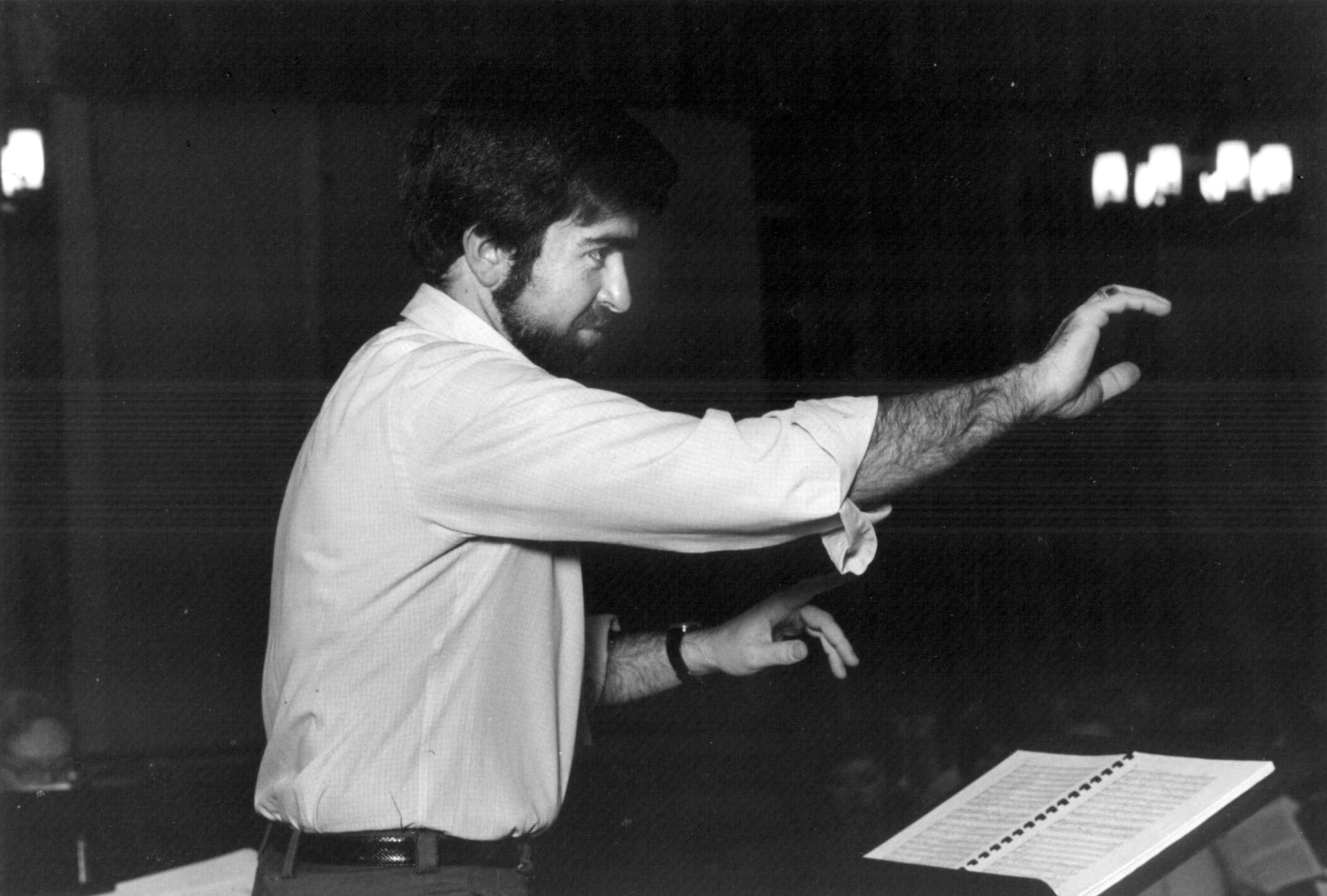
Donald Palumbo, a former CpM tenor who had studied in Vienna, took the helm in 1979 and led the chorus until 1988. (Palumbo would later become Chorus Master at the Metropolitan Opera.) He introduced CpM to concert opera, including a memorable Donizetti’s Anna Bolena featuring Dame Joan Sutherland. He also launched a fruitful collaboration with Benjamin Zander’s Boston Philharmonic Orchestra—13 concerts during the decade. CpM distinguished itself through 19th and 20th century repertoire and a cappella concerts featuring music from around the world. Don Kendrick served briefly as Music Director from 1988-1990, maintaining momentum during the transition.
Donald Palumbo Era
Former CpM tenor Donald Palumbo became Music Director, introducing concert opera and launching a partnership with the Boston Philharmonic.
Dame Joan Sutherland
CpM performed Donizetti’s Anna Bolena with legendary soprano Dame Joan Sutherland.
Don Kendrick
Don Kendrick served as Music Director (1988-1990), maintaining continuity during the leadership transition.
A Global Chorus Emerges
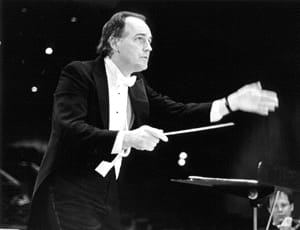
Jeffrey Rink, a period music specialist formerly with Handel & Haydn Society, led CpM from 1990 to 2009. He established Concert Opera Boston as an annual tradition, bringing productions of Carmen, Tosca, La Boheme, and Rigoletto to Boston audiences. Rink also championed cultural diversity: CpM performed the Yellow River Cantata in Mandarin, the Boston premiere of Antonio Estevez’s La Cantata Criolla (drawing huge Latinx audiences), and Rouben Gregorian’s Armenian Divine Liturgy. Collaborations flourished with the New England Philharmonic and Newton Symphony.
Jeffrey Rink Era
Period music specialist Jeffrey Rink became Music Director, establishing Concert Opera Boston as an annual tradition.
Concert Opera Boston
Annual opera productions including Carmen, Tosca, La Boheme, and Rigoletto brought opera to Boston audiences.
Global Repertoire
CpM performed in Mandarin, Spanish, and Armenian, drawing diverse audiences and expanding cultural reach.
A Millennium of Milestones
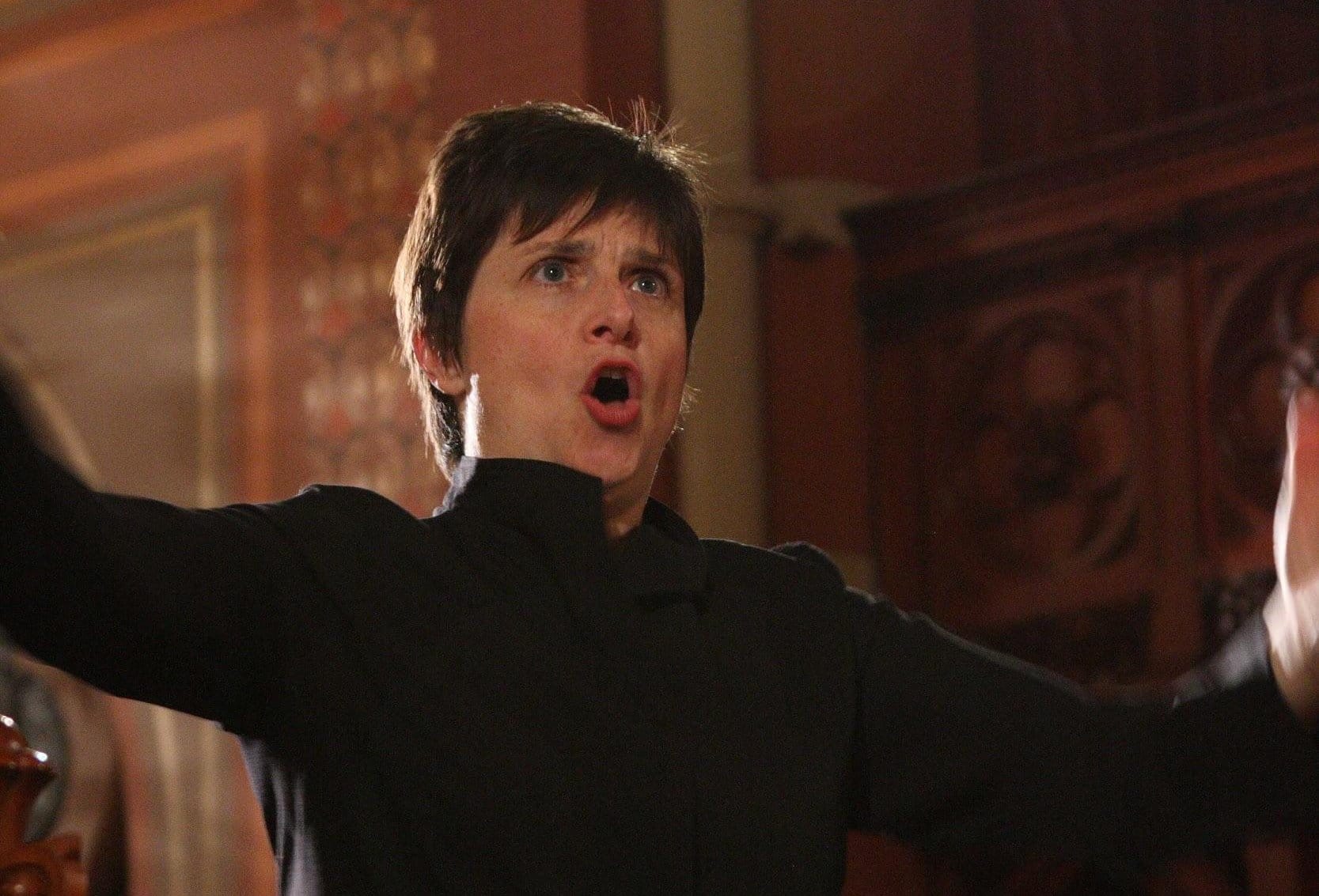
The new millennium brought period instrument concerts featuring Berlioz and Bach. CpM returned to Carnegie Hall with the Boston Philharmonic for Mahler’s Resurrection Symphony—a soul-stirring triumph. In 2007, at Old South Church, CpM premiered Roger Ames’ Requiem for Our Time, based on the autobiographical writings of Boston poet Anne Sexton. The work received a Pulitzer Prize nomination. After a yearlong search, Betsy Burleigh became CpM’s first woman Music Director in 2009, opening a new chapter of commissions and innovation.
Mahler’s Resurrection
CpM and the Boston Philharmonic filled both Symphony Hall and Carnegie Hall with Mahler’s monumental Resurrection Symphony.
Anne Sexton Requiem
The premiere of Requiem for Our Time, based on poet Anne Sexton’s writings, received a Pulitzer Prize nomination.
First Woman Director
Betsy Burleigh became CpM’s first woman Music Director, launching a new era of commissions and artistic growth.
Innovation in Harmony
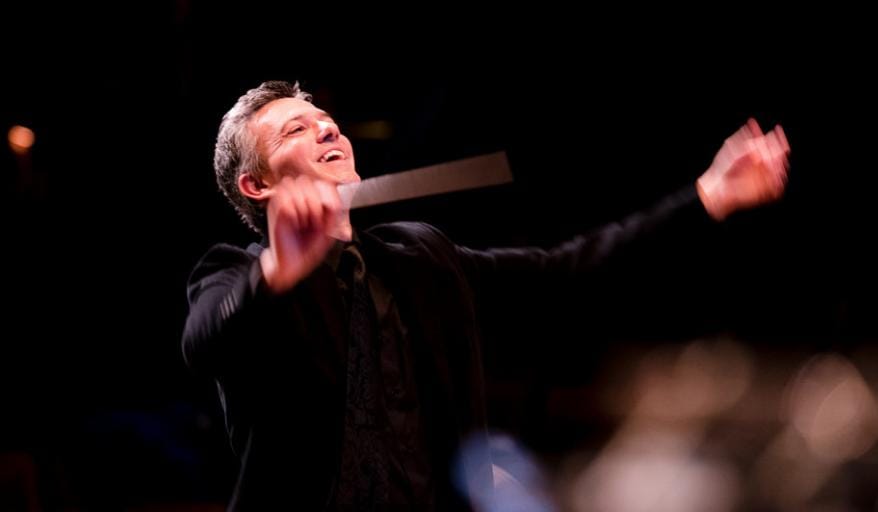
Betsy Burleigh’s tenure (2009-2013) opened with Kodaly’s Laudes Organi, showcasing Old South Church’s magnificent Skinner organ. She launched CpM’s first direct commissions—works by Andrew Rindfleisch (Kaddish Prayer, with Zamir Chorale), Abbie Betinis, and Peter Child. Her production of Britten’s War Requiem in both Boston and Providence sold out. Jamie Kirsch joined as Music Director in 2013, taking on a concert delayed by the Boston Marathon bombings. Under Jamie, CpM premiered James Whitbourn’s Annelies (based on Anne Frank’s diary), Carol Barnett’s The World Beloved: A Bluegrass Mass, and James Kallembach’s multimedia oratorio Audubon. CpM was also chosen as Andrea Bocelli’s Boston chorus of choice.
First Direct Commission
CpM premiered Andrew Rindfleisch’s Kaddish Prayer with Zamir Chorale—the first work directly commissioned by the chorus.
Jamie Kirsch Era
Jamie Kirsch became Music Director, bringing innovative programming that blends classical masterworks with contemporary voices.
Andrea Bocelli
CpM was selected as Andrea Bocelli’s Boston chorus of choice for his concert tour.
Resilience and Renewal
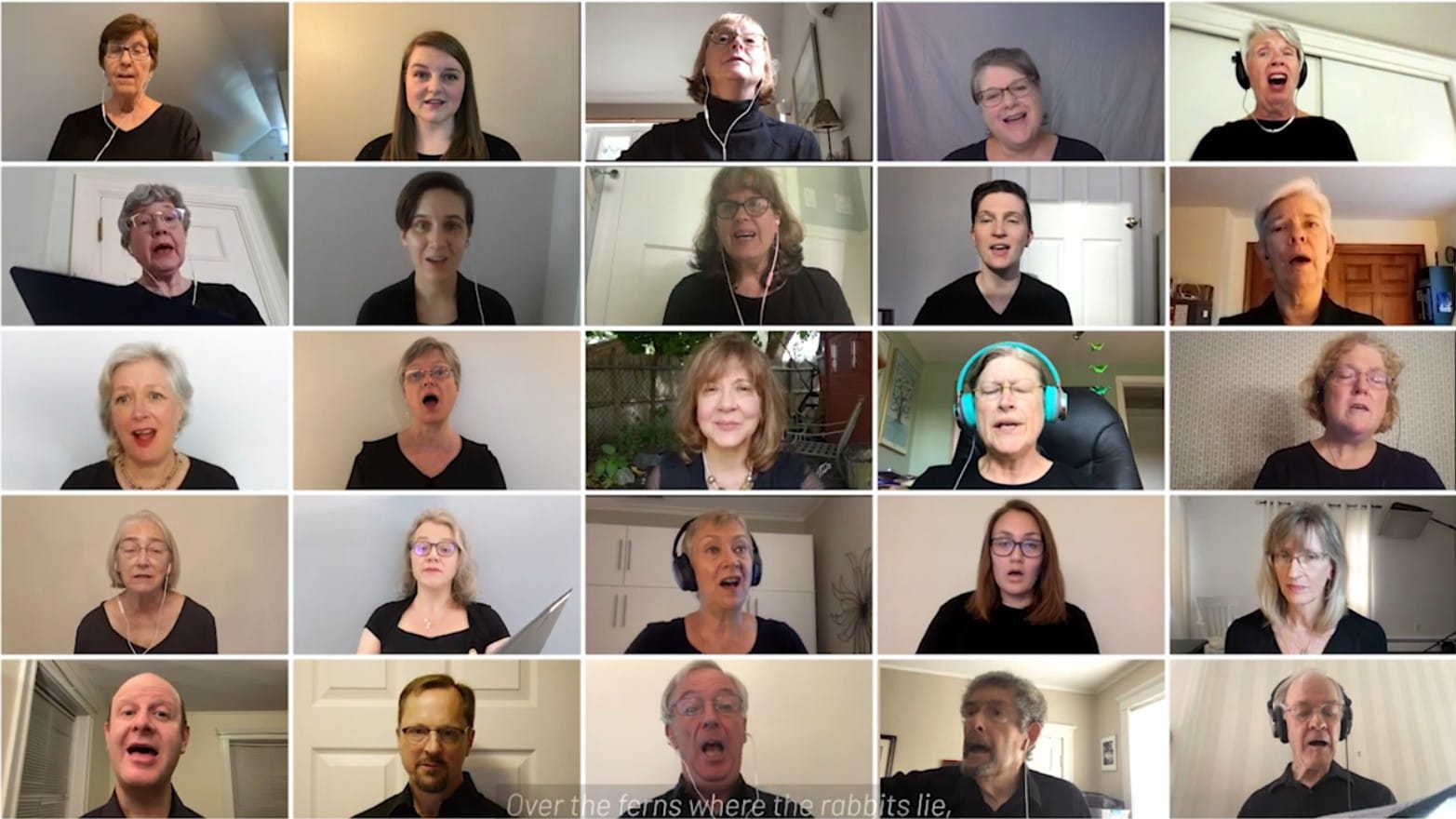
The decade began with a new collaboration with the Metropolitan Chorale and ambitious plans for Julia Wolfe’s Pulitzer Prize-winning Anthracite Fields with Bang on a Can All-Stars. When COVID-19 shuttered venues, Jamie Kirsch innovated with remote rehearsals, virtual performances, and even a ‘driveway choir’ allowing singers to rehearse safely from their cars. Through it all, CpM remained committed to building an inclusive 21st-century ensemble. Today, after 76 years and more than 1,000 singers, CpM continues its founding mission: to do unusual things, attract musicians challenged by new repertoire, and bring people together through the power of choral music.
COVID Innovation
Jamie Kirsch led remote rehearsals, virtual performances, and a ‘driveway choir’ to keep singers connected during the pandemic.
76 Years Strong
After more than 1,000 singers, 40+ premieres, and performances in 20 languages, CpM continues its mission of choral excellence.
76 Years by the Numbers
1,000+
Singers over the years
40+
Premieres & commissions
20
Languages performed
60+
Years at Old South Church